Stanley Ghyll Force from Eskdale
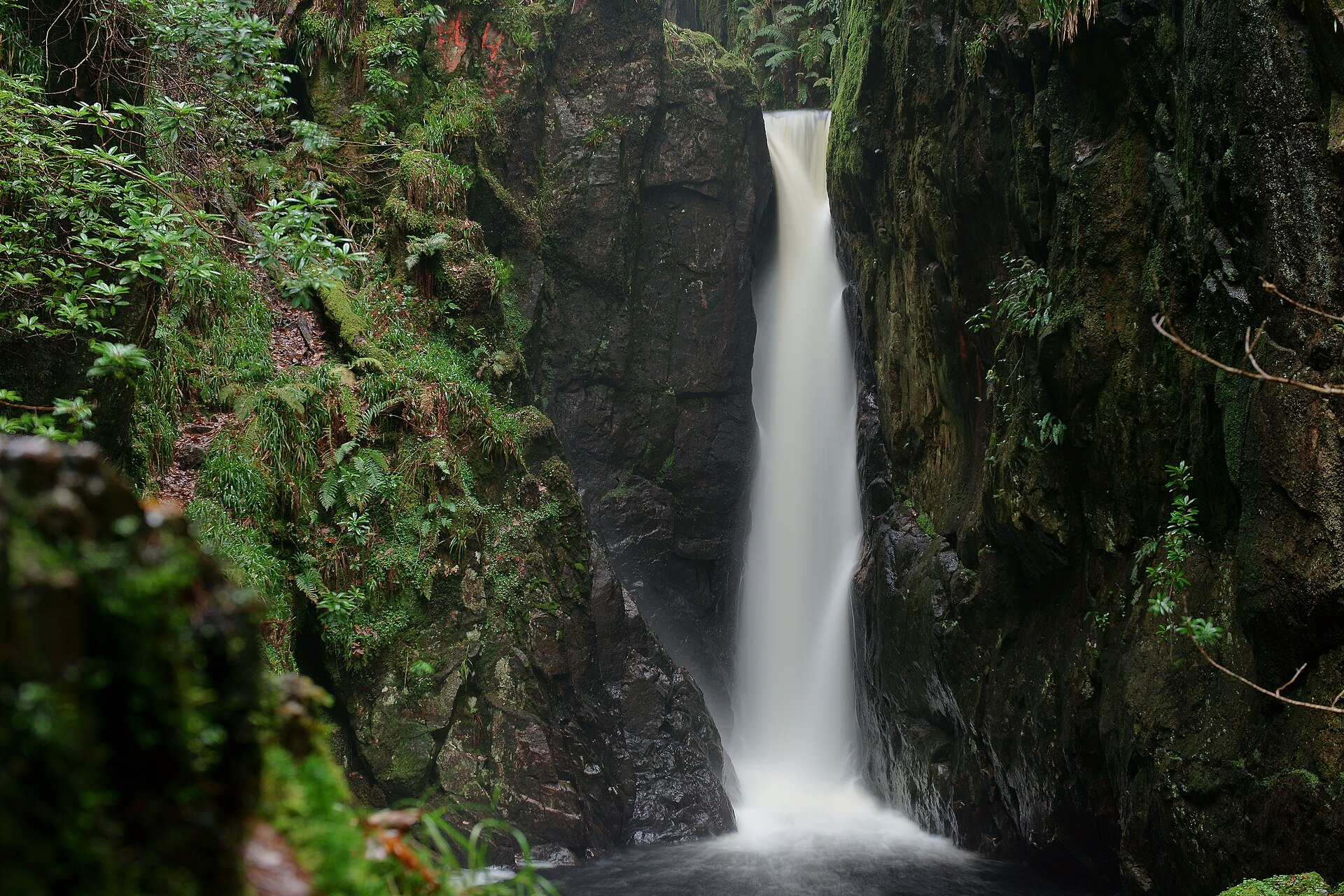
A short, rough walk up a wooded ravine near Boot to a waterfall, with a viewing platform above the falls.
- Moderate
Mainline train to Ravenglass, then narrow gauge up the valley.
63 m
Ravenglass
15 km by road
7
97
Eskdale, which Wikipedia calls notably quieter in high summer than the more accessible eastern Lakes, is a long valley on the western side running inland from the coast at Ravenglass. Its main settlement, Boot, has a permanent population of 10 to 15 that Wikipedia says rises to between 90 and 120 in summer, but the valley holds a Roman fort, a wooded gorge waterfall, and Harter Fell, plus an unusual way in: the Ravenglass and Eskdale Railway, a narrow-gauge line that has run tourists and, before that, iron ore up the valley since the nineteenth century. It suits a slower week, built around one or two walks and a fair amount of quiet, rather than a base for covering ground fast.
Stanley Ghyll Force is a walk of a couple of miles from the car park at Trough House Bridge, on the same path as the valley’s riverside walk. Hardknott Roman Fort has its own small parking area right beside the site, with only a few minutes of uneven, sloping ground between the car and the ruins. Harter Fell is the exception: reaching its summit means a proper fell walk, usually starting from a layby on the Hardknott Pass road itself. Boot and the valley floor are otherwise flat and easy on foot; it is the fells and the passes on either side that demand more.
Ravenglass, on the Cumbrian Coast Line and served by Northern Trains, is the nearest mainline station, and from there the Ravenglass and Eskdale Railway runs seven miles up the valley to Dalegarth, without needing a car at either end. The railway is seasonal, and the operator publishes which days it runs. For the rest of the year, or for reaching Wasdale and the central fells, the road in crosses Hardknott and Wrynose passes from the east, both narrow, steep and best avoided by anyone nervous about single-track mountain driving.
Eskdale’s advantage with young children is the railway, not the walking. The Ravenglass and Eskdale line runs seven miles up the valley to Dalegarth, which turns getting to the valley into the day’s entertainment rather than a means to it, and needs no car at either end. Once there, Hardknott Roman Fort asks almost nothing of small legs: parking sits right beside the ruins, and the wall footings, bathhouse and parade ground give a child something to explore, even though the ground is too rough and uneven for a pushchair. Stanley Ghyll Force suits children who can already walk a couple of miles unaided. The path crosses the beck three times on wooden footbridges before a scramble up the bank to see the falls properly, and that last stretch wants a hand held rather than a child running ahead. Harter Fell, by contrast, is a fell day even with the head start of parking on Hardknott Pass itself, better saved for when the youngest can manage 284 metres of climbing alone.
Small car parks serve the valley at Wha House, Trough House Bridge and Dalegarth Station, the last with pay and display charges and toilets.
Hardknott Pass, single track with a run of hairpin bends and gradients as steep as 1 in 3, shares the title of steepest road in England with Rosedale Chimney Bank in North Yorkshire. Wrynose Pass, also single track, continues over the Three Shire Stone to Little Langdale.
A short, rough walk up a wooded ravine near Boot to a waterfall, with a viewing platform above the falls.
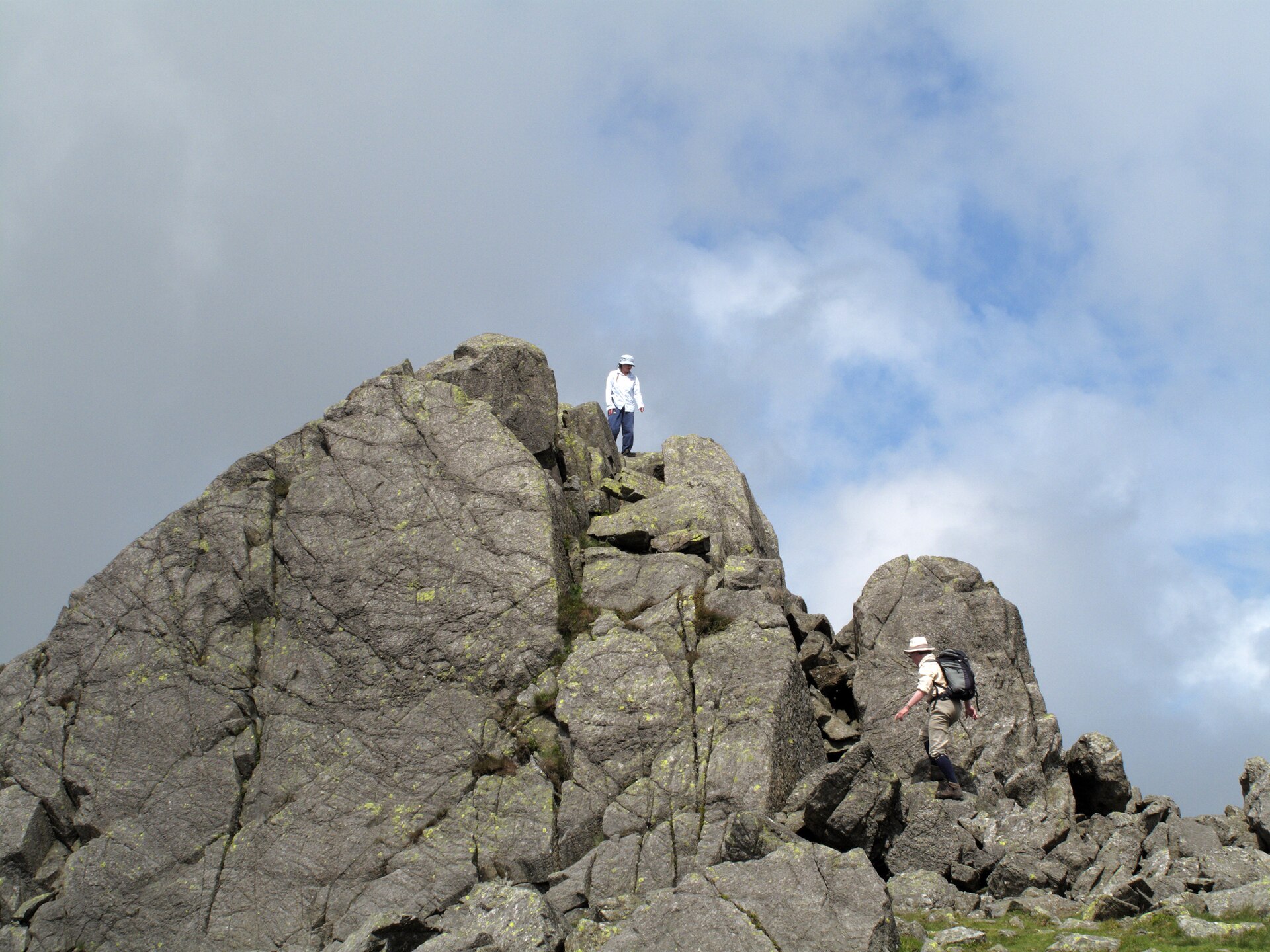
A short but steep climb from the top of Hardknott Pass to a rock-towered summit above Eskdale and the Duddon Valley.
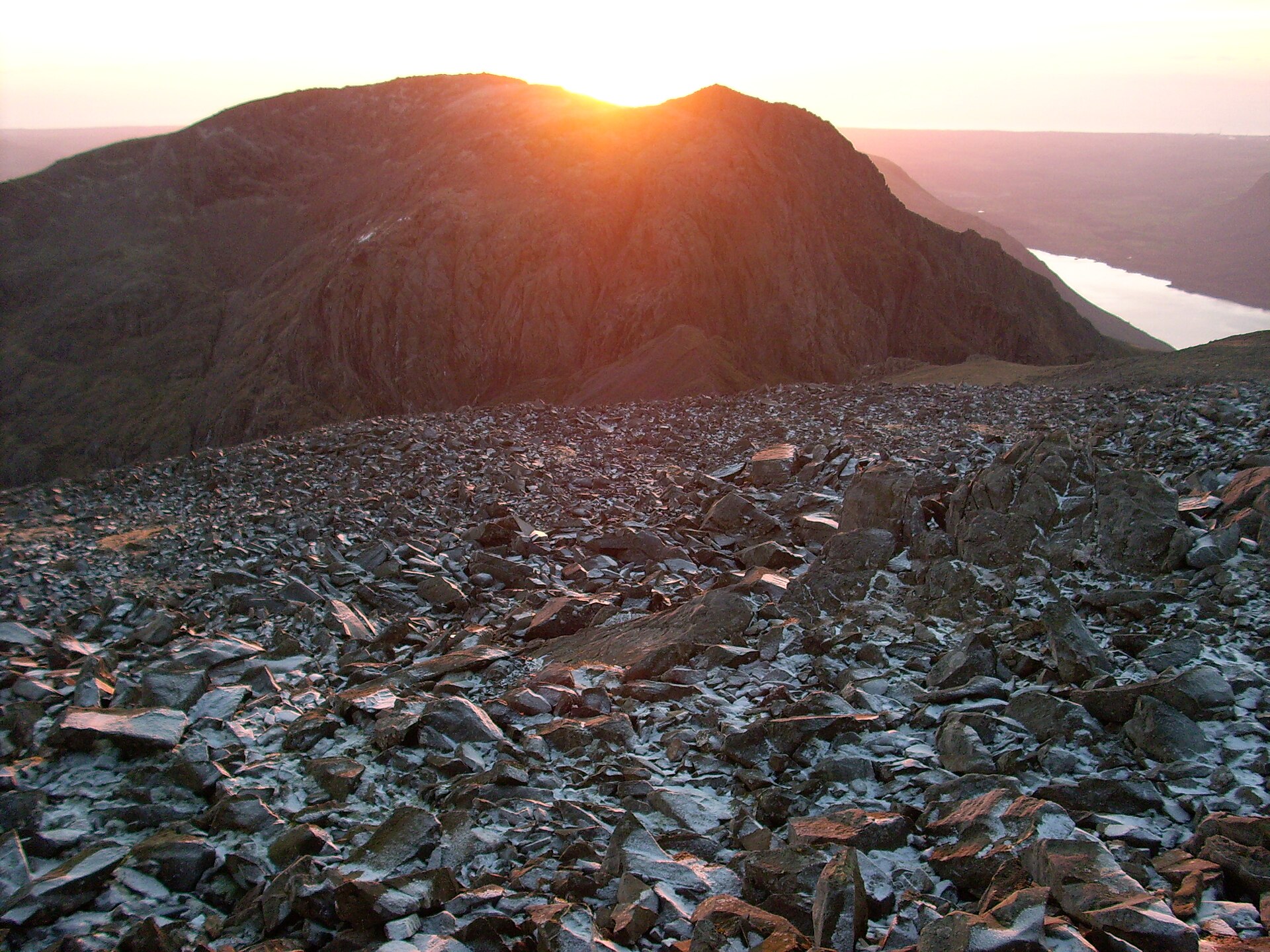
The shortest ascent of England's highest mountain, from National Trust Lakehead via Brown Tongue to the 978m war-memorial summit.
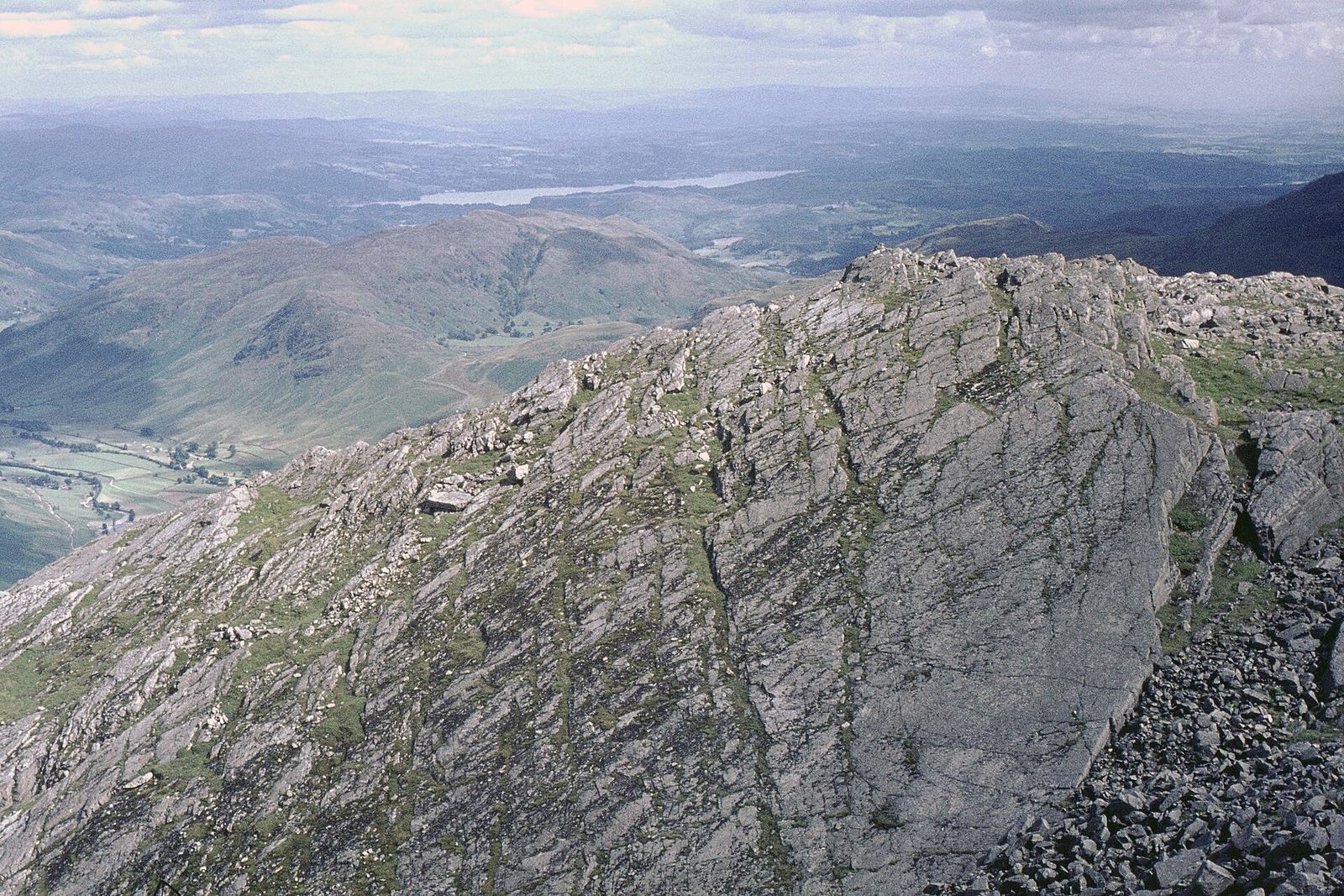
A hard circuit of the fell that closes Great Langdale, climbing past Whorneyside Force and the Great Slab to a boulder summit at 902m.
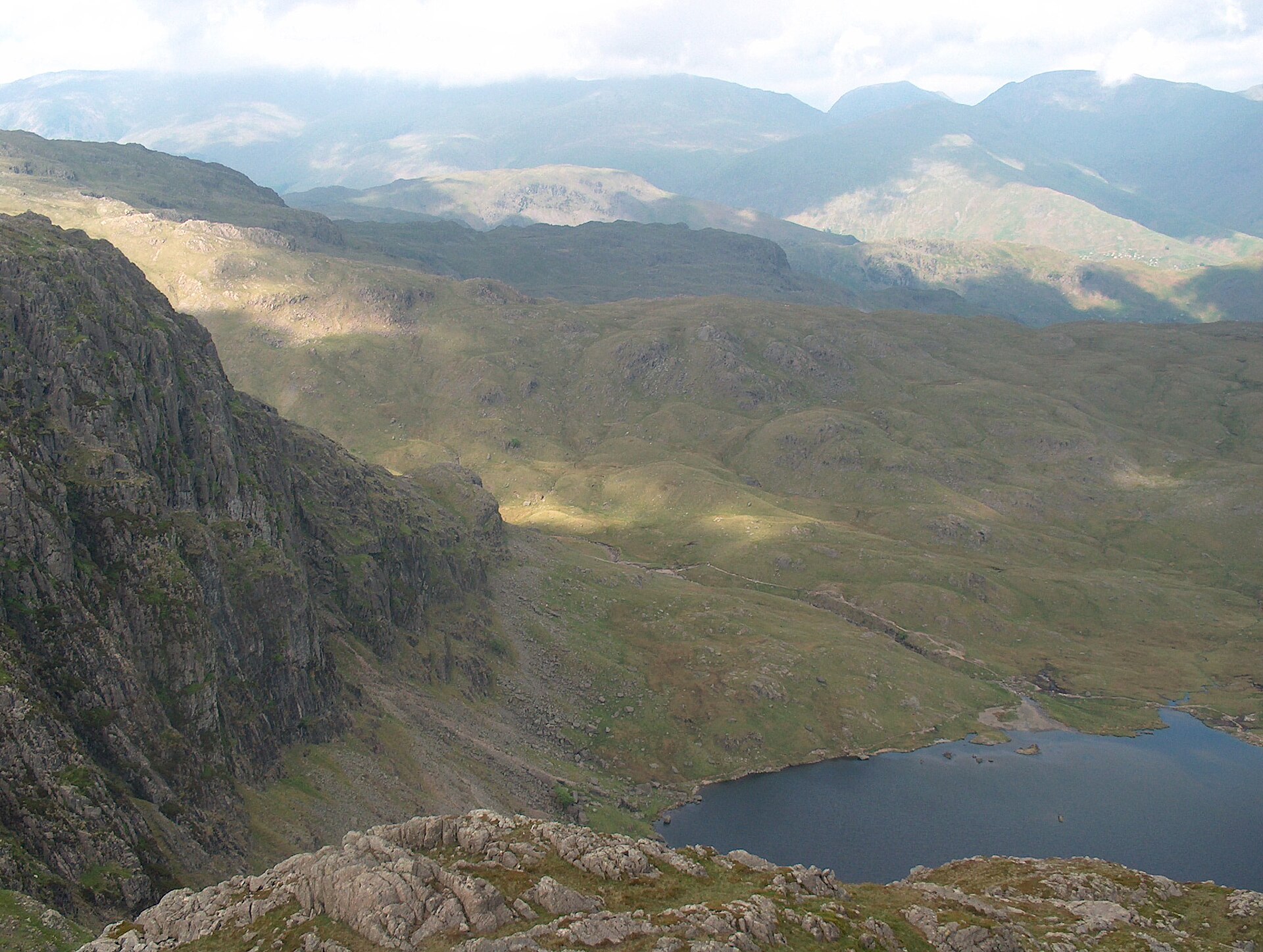
A six-top round of Great Langdale's skyline, up Pavey Ark by the North Rake from Stickle Tarn and over Pike of Stickle and Harrison Stickle.
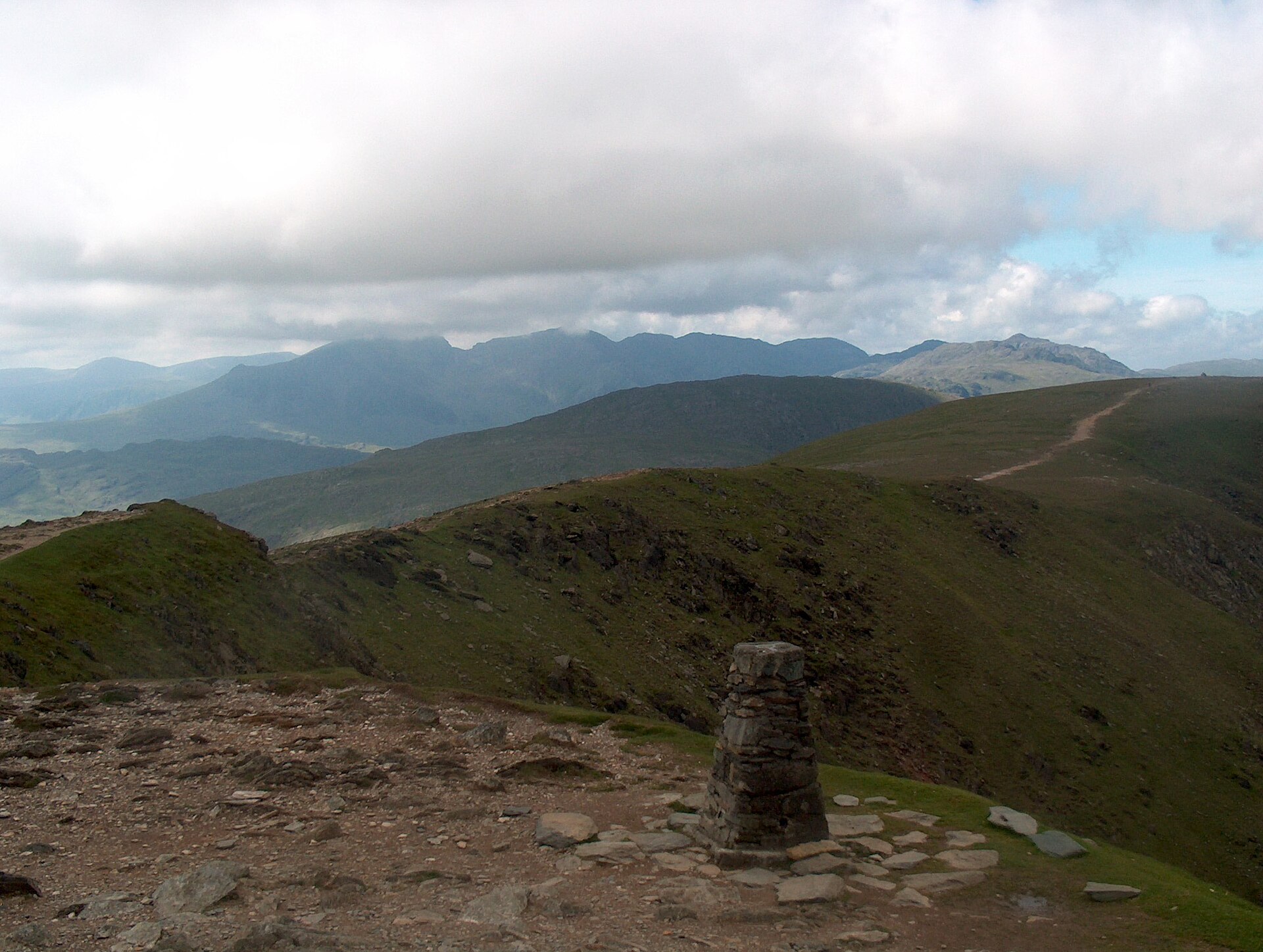
A steep, direct climb from Coniston village through old copper workings to one of the best-known summits in the southern Lakes.
Reached by car, by lift or by a short walk, rather than a day on the hill.
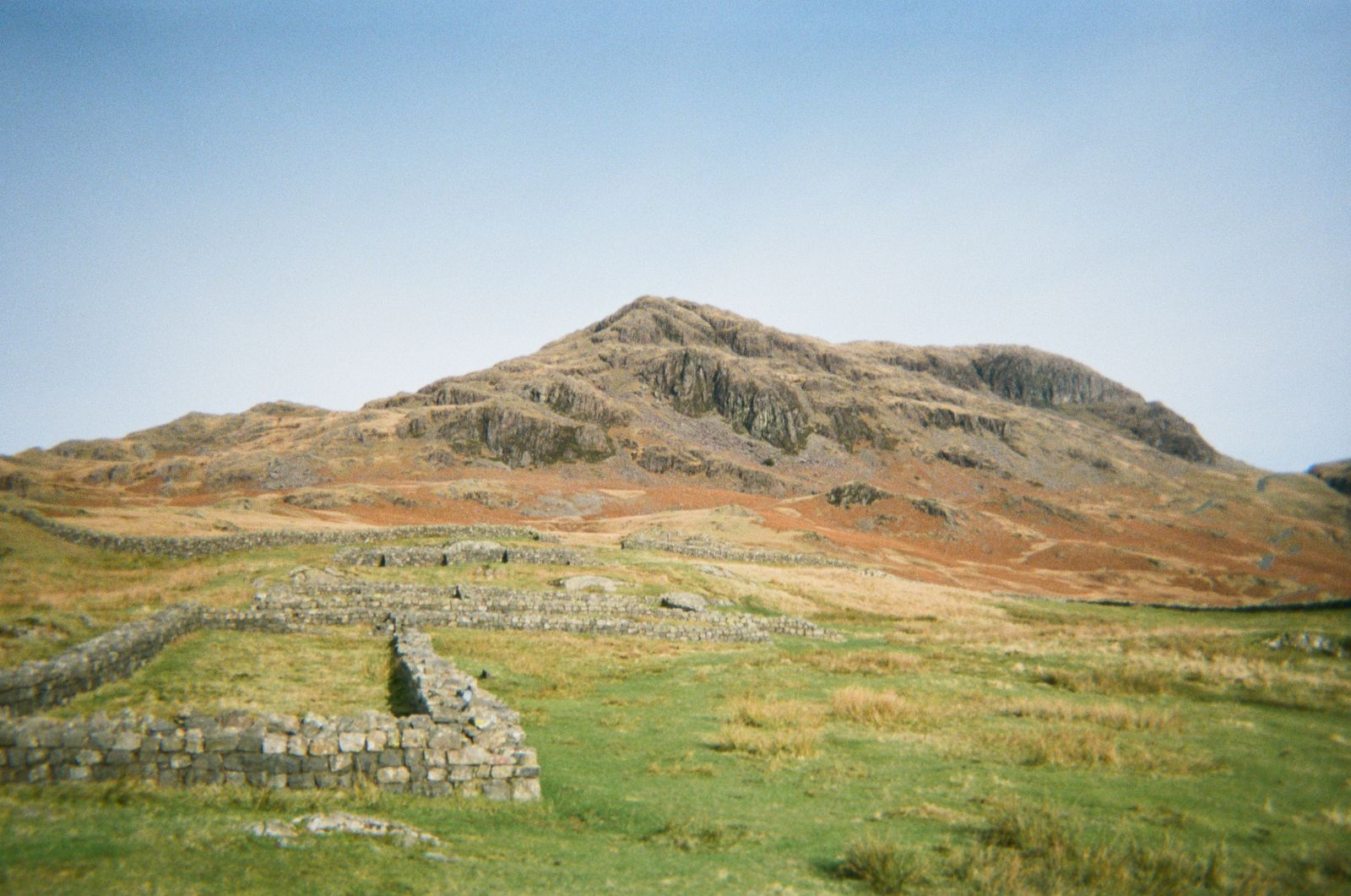
A ruined Roman fort on a spur above Eskdale, free to visit, with parking beside the site and panoramic valley views.
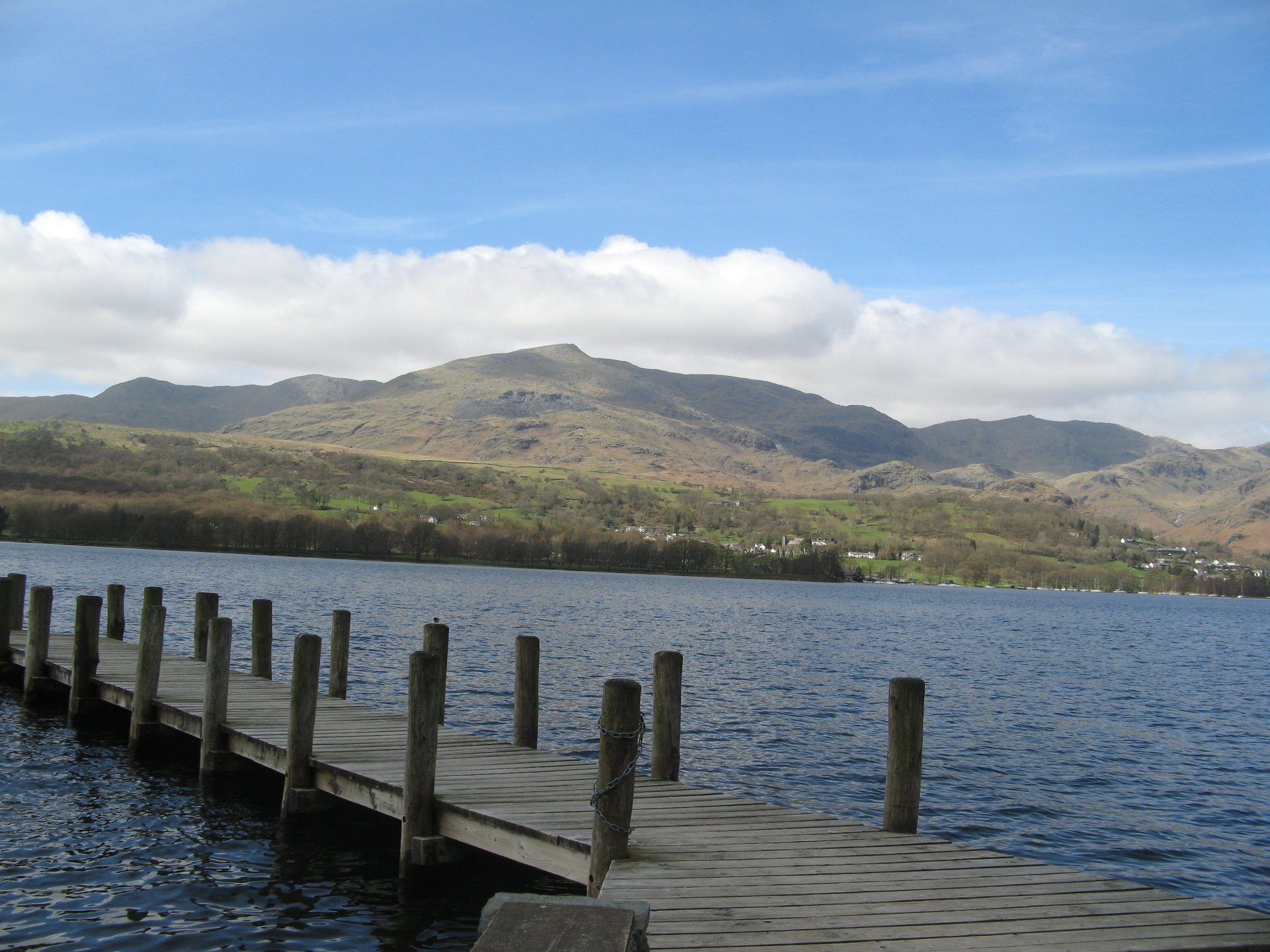
Kayak, canoe and rowing boat hire on Coniston Water from a National Park-run centre a few minutes from the village.
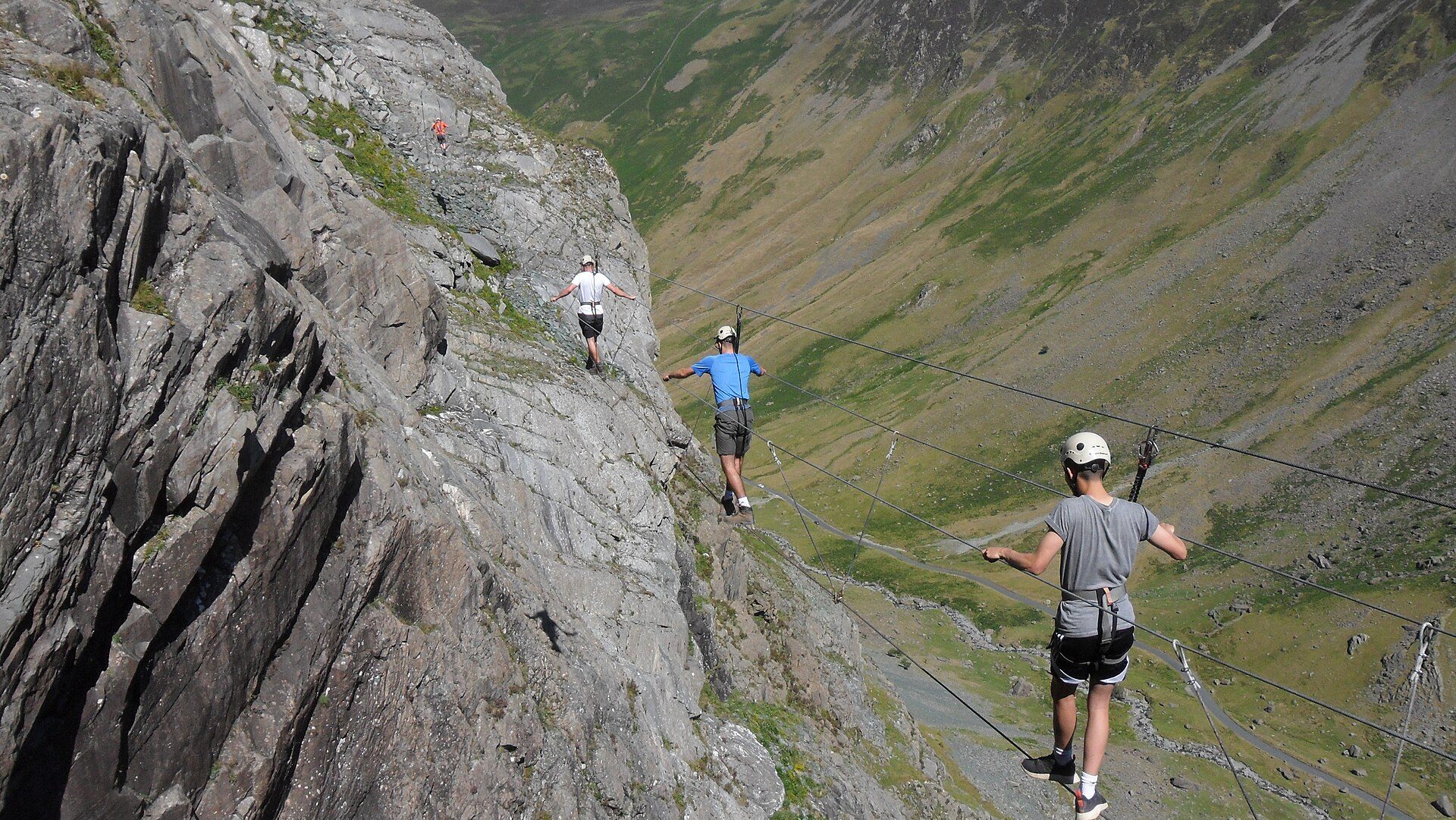
A fixed-cable route up a working slate mine's quarry face at the top of Honister Pass, run by the mine.
Booking through these links earns a commission. The price is the same.
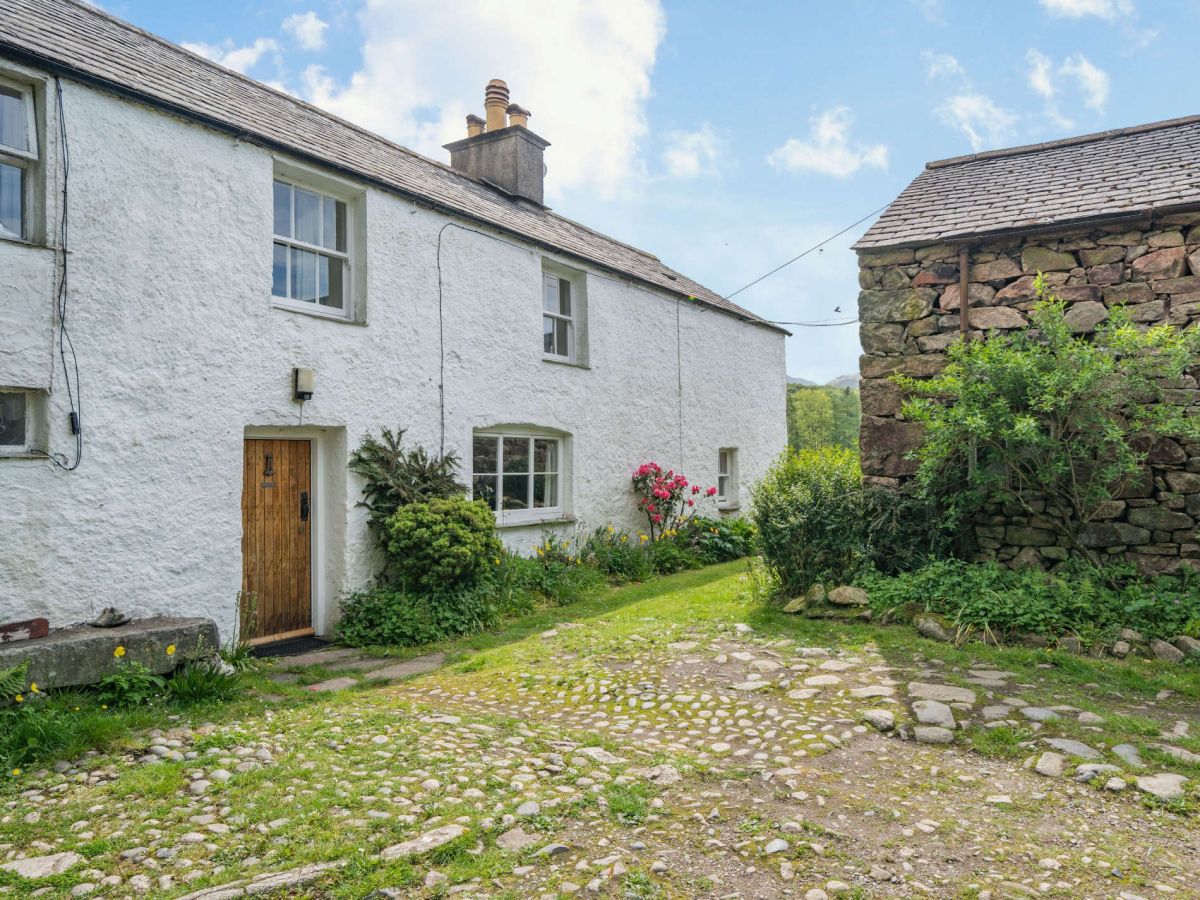
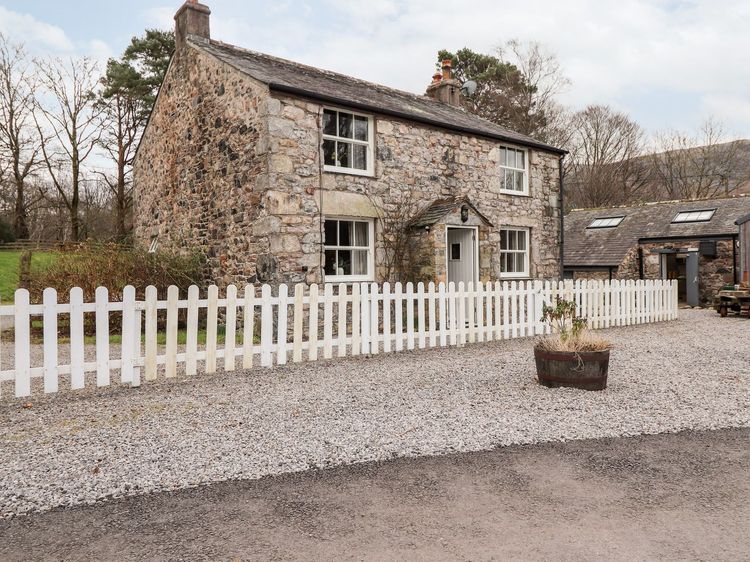
Boot, near Eskdale, Cumbria
Sleeps 4 · 2 beds
from £631 / week
Check dates for 3 Orange Hill Cottages (opens the booking site in a new tab)Checked 5 Oct
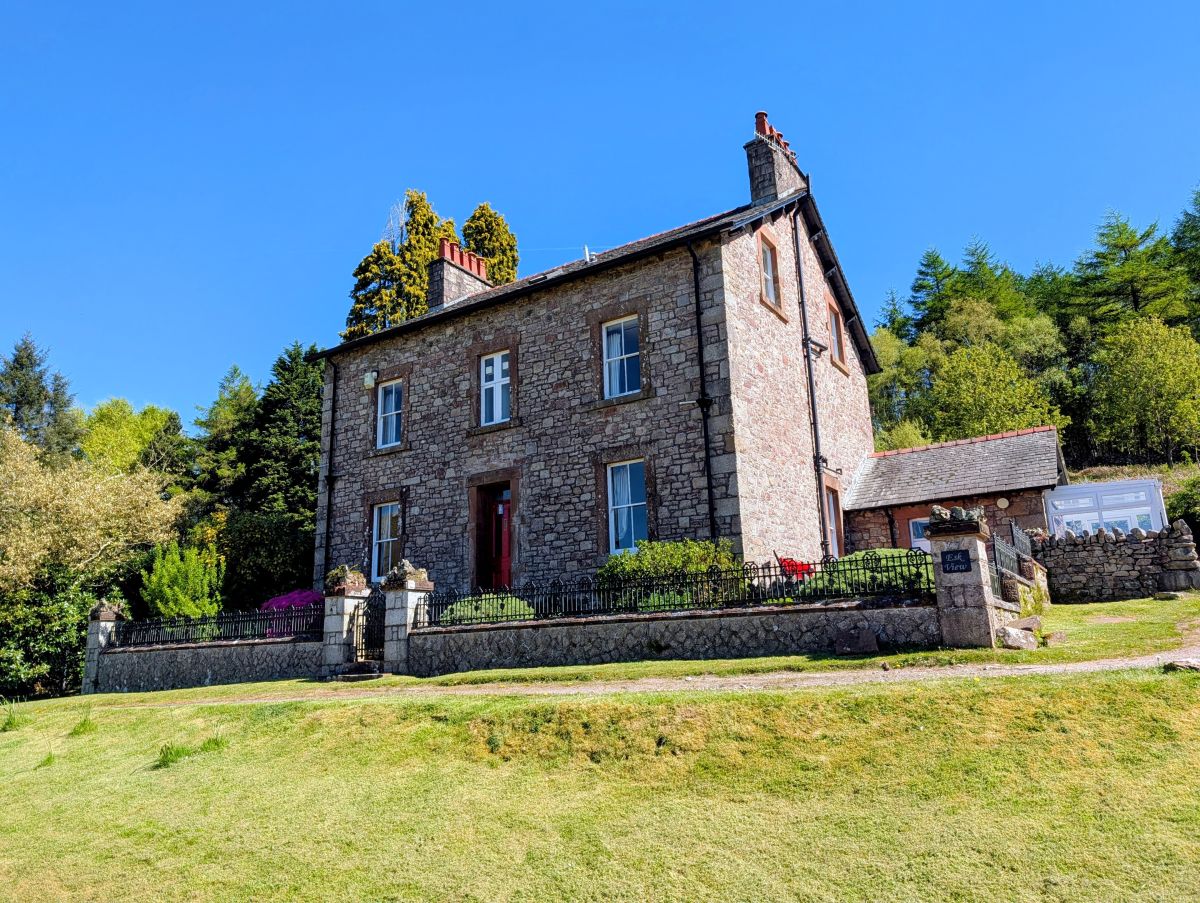
Boot
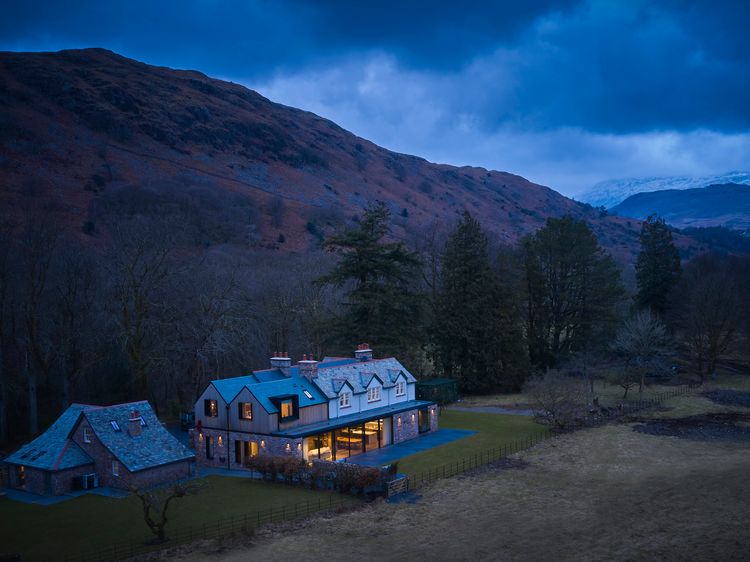
Sleeps 16 · 8 beds
from £6,903 / week
Check dates for Eskdale Retreat (opens the booking site in a new tab)Checked 8 Oct
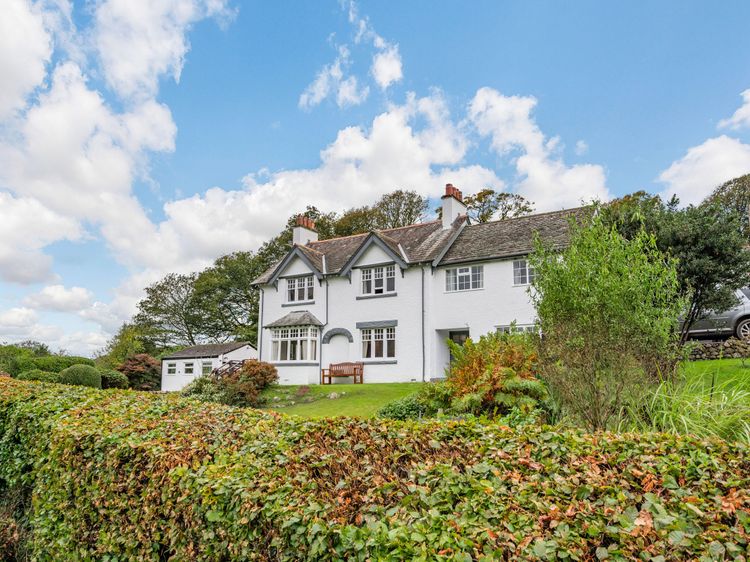
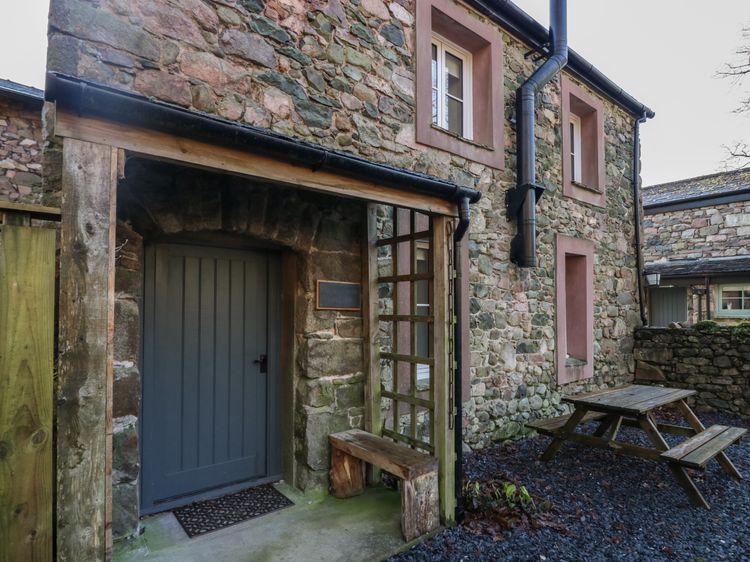
Eskdale Green
Sleeps 10 · 5 beds
from £1,365 / week
Check dates for Peel Place Noddle (opens the booking site in a new tab)Checked 8 Oct
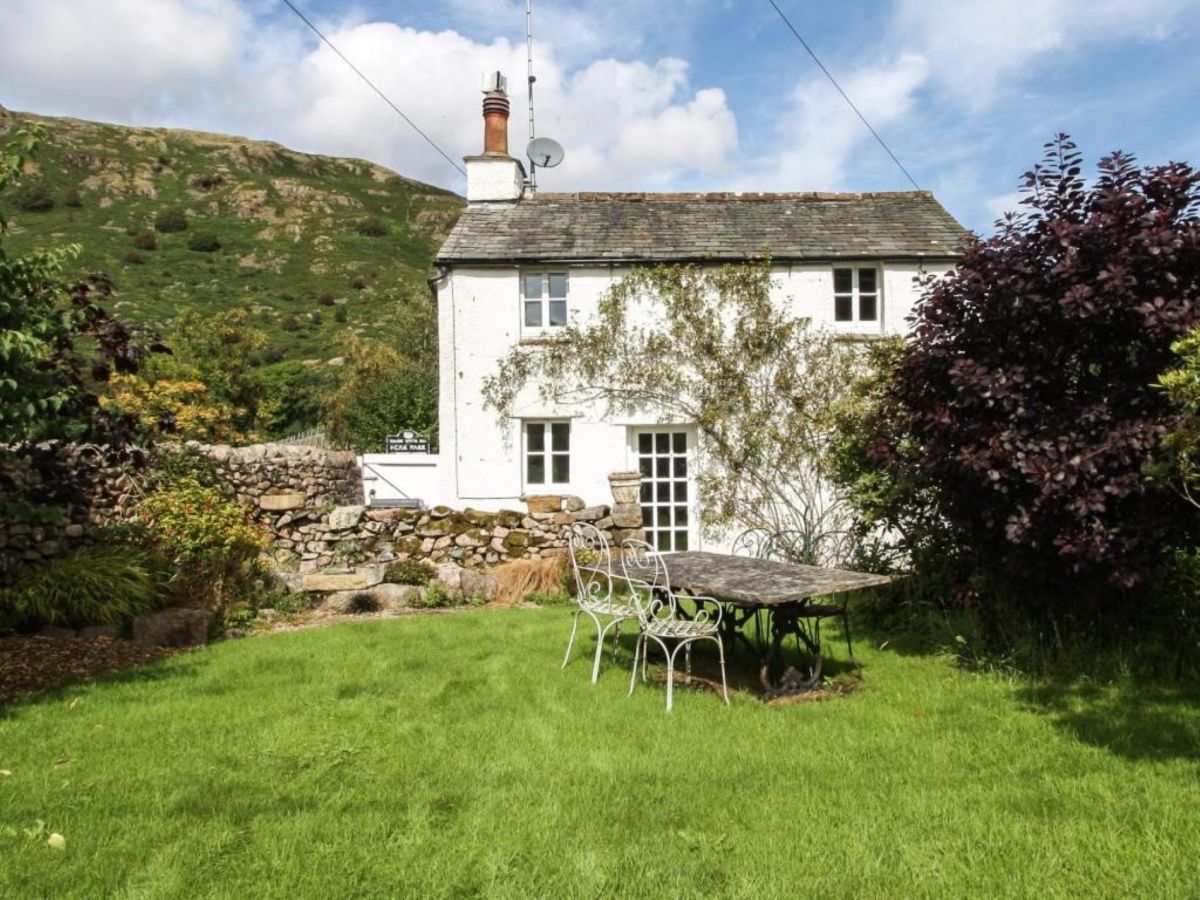
Nether Wasdale
Sleeps 4 · 2 beds
from £489 / week
Check dates for Church How Cottage (opens the booking site in a new tab)Checked 7 Oct